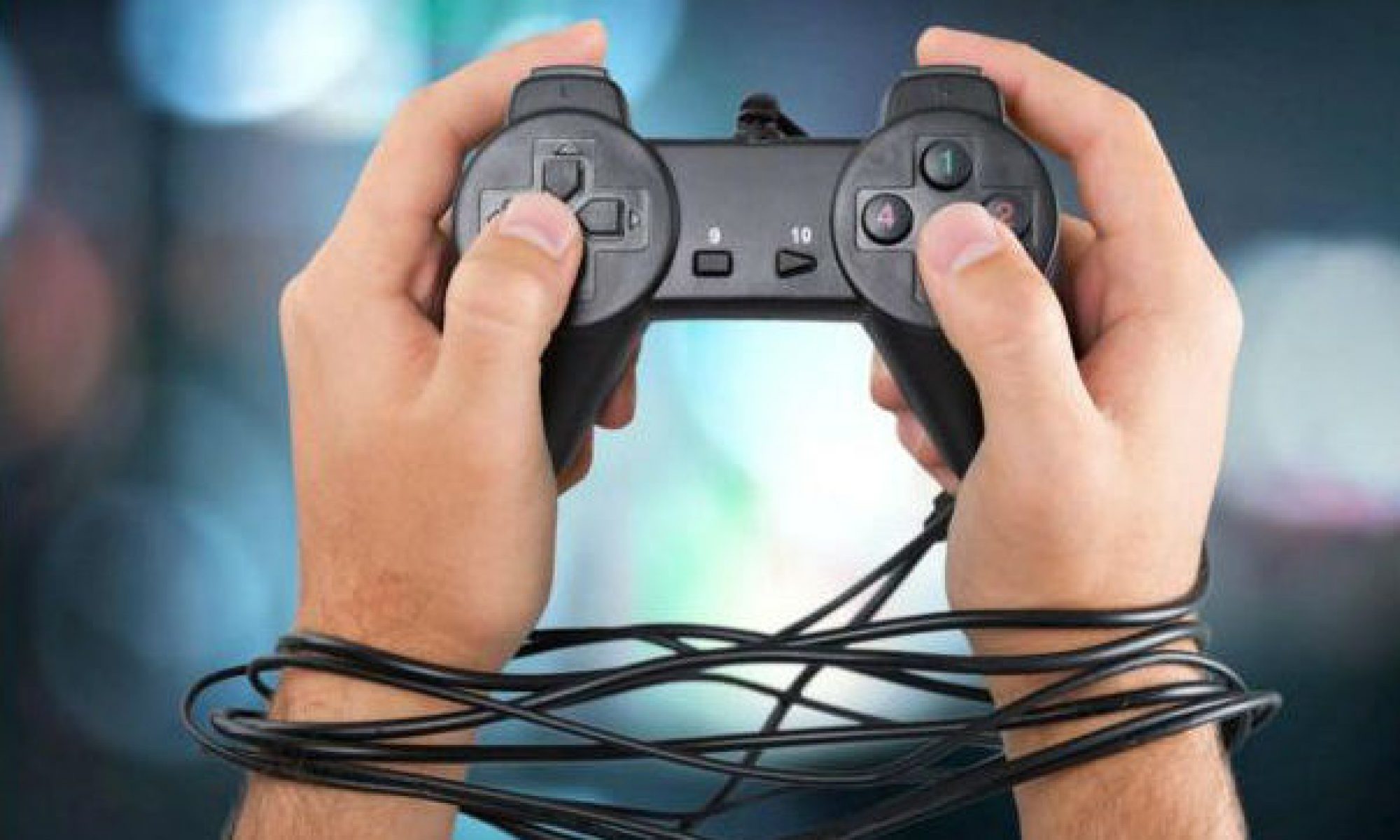
 Video games can provide entertainment, relaxation, social connection, and a welcome escape from everyday stress. However, when gaming becomes the center of someone’s life, it can gradually affect their mental health, relationships, education, career, and overall well-being. What begins as a harmless hobby may develop into a pattern of compulsive gaming that feels increasingly difficult to control. Recognizing the warning signs of video game addiction is an important first step toward restoring balance, rebuilding healthy routines, and finding the right support.
Gaming addiction is not simply about spending too many hours in front of a screen. The more important concern is whether someone continues playing despite negative consequences and struggles to stop even when they genuinely want to. Understanding these patterns can help individuals and families recognize when gaming has become a problem and when professional support may be beneficial.
Understanding Video Game Addiction
Video game addiction, sometimes called gaming disorder, involves persistent or recurring gaming behavior that interferes significantly with important areas of daily life. Someone experiencing problematic gaming may prioritize video games over responsibilities, relationships, personal health, and other meaningful activities.
The World Health Organization recognizes gaming disorder in the International Classification of Diseases, 11th Revision (ICD-11). Its defining features include impaired control over gaming, increasing priority given to gaming over other interests and activities, and continuing or escalating gaming despite negative consequences.
Not everyone who enjoys video games excessively has an addiction. However, when gaming begins to interfere with everyday responsibilities and emotional well-being, it deserves attention.
Several factors can contribute to unhealthy gaming patterns, including stress, loneliness, anxiety, depression, low self-esteem, and difficulty managing uncomfortable emotions. For some individuals, gaming becomes a way to avoid problems rather than address them.
7 Warning Signs That Video Games Are Controlling Your Life
Recognizing problematic gaming behavior can be challenging, particularly when playing video games is a normal part of someone’s social life. However, certain patterns suggest that gaming may be taking priority over healthier activities and responsibilities.
1. You Constantly Think About Playing Video Games
One of the earliest warning signs is becoming mentally preoccupied with gaming. You might think about your next gaming session while working, studying, eating, or spending time with family.
Even when you are not playing, your attention may remain focused on upcoming matches, game achievements, online events, or reaching another level.
Over time, these thoughts can make it difficult to concentrate on other activities. Everyday responsibilities may begin to feel less interesting because your mind is constantly returning to the gaming experience.
If gaming occupies most of your thoughts, it may be worth examining how much control it has over your daily routine.
2. You Struggle to Stop Playing, Even When You Want To
Another significant warning sign is losing control over gaming time. You might promise yourself that you will play for only 30 minutes, but several hours pass before you finally stop.
Online competitions, daily challenges, reward systems, and continuous game progression can make it especially difficult to step away.
You may also experience frustration or restlessness when someone interrupts your gaming session.
The concern is not simply playing longer than planned occasionally. It is repeatedly struggling to control your gaming habits despite recognizing that they are creating problems.
3. Your Relationships Are Suffering
Healthy relationships require attention, communication, and shared experiences. Unfortunately, excessive gaming can gradually interfere with these important connections.
You might begin canceling plans with friends, ignoring family conversations, or spending less time with your partner because you would rather play video games.
Arguments may also become more frequent when loved ones express concern about your gaming habits.
Some individuals become defensive, dismissive, or secretive when questioned about how much time they spend playing.
Over time, these behaviors can create emotional distance and weaken relationships that once provided important support.
Rebuilding these connections often requires acknowledging the problem, communicating honestly, and making a conscious effort to reconnect with others.
4. Your Sleep and Physical Health Are Declining
Gaming late into the night can disrupt sleep schedules and leave you feeling exhausted throughout the day.
You might regularly sacrifice sleep to finish a mission, participate in an online event, or continue playing with friends. As a result, you may experience daytime fatigue, difficulty concentrating, irritability, and reduced productivity.
Excessive gaming can also contribute to:
-
Eye strain and headaches.
-
Neck, shoulder, and back discomfort.
-
Reduced physical activity.
-
Irregular eating habits.
-
Poor sleep quality.
-
Increased daytime tiredness.
Physical health should never become a permanent sacrifice for entertainment. Establishing consistent sleep schedules, taking regular breaks, eating balanced meals, and incorporating exercise into your routine can help restore healthier habits.
5. You Neglect School, Work, or Other Responsibilities
When video games begin interfering with important responsibilities, the consequences can become increasingly serious.
Students may miss assignments, struggle with concentration, or experience declining academic performance. Adults may arrive late to work, miss deadlines, or find it difficult to maintain professional commitments.
You might also postpone household responsibilities, financial obligations, or personal appointments because gaming feels more appealing in the moment.
Although everyone occasionally procrastinates, repeatedly neglecting essential responsibilities to play video games suggests a deeper problem.
Recognizing these consequences early can help prevent gaming habits from creating long-term difficulties in education, employment, and personal life.
6. You Use Gaming to Escape Stress and Difficult Emotions
Video games can provide temporary relief from everyday pressures. However, problems may develop when gaming becomes the primary way to cope with emotional discomfort.
For example, someone experiencing anxiety, depression, loneliness, relationship difficulties, or work-related stress may turn to gaming whenever uncomfortable feelings arise.
The virtual environment can provide a sense of achievement, control, excitement, and belonging that may feel difficult to find elsewhere.
Unfortunately, avoiding emotional challenges does not resolve them. When the game ends, the underlying feelings and problems often remain.
This pattern can create a cycle in which stress leads to excessive gaming, excessive gaming creates additional problems, and those problems generate even more stress.
Learning healthier coping strategies and addressing underlying mental health concerns can help break this cycle.
7. You Continue Gaming Despite Serious Negative Consequences
Perhaps the most concerning warning sign is continuing to play even when gaming is clearly damaging important areas of your life.
You may recognize that your relationships are suffering, your health is declining, or your responsibilities are being neglected. Nevertheless, you continue gaming because stopping feels extremely difficult.
You might also hide how much time you spend playing, make excuses, or repeatedly promise to reduce your gaming without following through.
When someone continues a behavior despite significant negative consequences, professional assessment may be helpful.
This does not mean someone should feel ashamed or assume they cannot recover. It means the situation deserves attention, understanding, and appropriate support.
How to Recognize the Difference Between Heavy Gaming and Addiction
Spending several hours playing video games does not automatically mean someone has a gaming disorder. Some people enjoy gaming regularly while maintaining healthy relationships, meeting responsibilities, and taking care of their physical and emotional needs.
The difference lies in control and consequences.
According to the World Health Organization, gaming disorder involves impaired control over gaming, giving gaming increasing priority over other activities, and continuing to play despite negative consequences. The behavior must also cause significant impairment in important areas of life. A diagnosis generally requires a pattern lasting at least 12 months, although severe cases may warrant earlier assessment.
World Health Organization+1
Therefore, looking at the broader picture is more useful than focusing exclusively on screen time. Ask yourself:
-
Can I stop playing when I need to?
-
Do I regularly sacrifice sleep or responsibilities to continue gaming?
-
Have my relationships suffered because of my gaming habits?
-
Do I feel unable to manage stress without playing?
-
Have I tried to reduce my gaming time without success?
Honest answers can help identify areas that may need attention.
How to Start Overcoming Video Game Addiction
Recognizing the problem is an important achievement, but making lasting changes often requires patience, consistency, and support. The goal is not necessarily to eliminate every form of gaming. Instead, it is to restore control and develop a healthier relationship with entertainment and technology.
Establish Clear Gaming Boundaries
Start by creating realistic limits around gaming. Decide when you will play, how long your sessions will last, and which responsibilities must come first.
For example, complete work assignments, household tasks, and other important commitments before starting a gaming session. Set alarms to remind yourself when it is time to stop.
Avoid keeping gaming devices in your bedroom if they regularly interfere with sleep.
Rediscover Activities Outside the Gaming World
One effective way to reduce excessive gaming is to rebuild interest in activities that provide enjoyment and purpose outside the screen.
Consider exploring:
-
Walking, cycling, swimming, or other physical activities.
-
Reading, writing, music, or creative hobbies.
-
Spending quality time with family and friends.
-
Learning a new skill or developing a personal project.
-
Joining community groups or recreational activities.
These experiences can help restore balance while providing opportunities to develop confidence and meaningful relationships.
Address the Emotional Reasons Behind Gaming
If gaming has become a way to avoid anxiety, depression, loneliness, or unresolved emotional difficulties, simply reducing screen time may not address the underlying problem.
Consider speaking with a qualified mental health professional who can help identify emotional triggers and develop healthier coping strategies.
Approaches such as cognitive behavioral therapy may help individuals recognize unhelpful thought patterns, manage urges, and develop more constructive responses to stress.
For some people, mindfulness, physical activity, supportive relationships, and faith-based practices may also complement professional care.
Reconnect With Supportive People
Recovery becomes easier when individuals do not have to face their struggles alone.
Talk honestly with trusted friends or family members about your concerns. Explain the changes you want to make and ask for encouragement rather than criticism.
If gaming has damaged important relationships, rebuilding trust may take time. Consistent actions, open communication, and shared activities can help restore those connections.
When Is Professional Help Necessary?
Sometimes, personal boundaries and lifestyle adjustments are not enough to overcome problematic gaming behavior. If someone repeatedly struggles to stop playing despite serious consequences, professional guidance can make an important difference.
A mental health professional can assess gaming habits, identify possible underlying conditions, and recommend an appropriate treatment approach.
Inpatient and outpatient treatment options may be considered when broader mental health or addiction-related needs require structured care. The appropriate level of support depends on the individual’s circumstances, clinical assessment, and treatment goals.
An individualized recovery plan may include:
-
Mental health counseling: Addressing anxiety, depression, emotional distress, and other concerns that may contribute to compulsive gaming.
-
Behavioral therapy: Developing practical strategies to manage gaming urges, establish boundaries, and change unhealthy routines.
-
Family support: Helping loved ones communicate effectively, establish healthy expectations, and participate in the recovery process.
-
Lifestyle improvement: Rebuilding healthy sleep patterns, physical activity, social connections, and daily responsibilities.
-
Faith-based support: For individuals who value spirituality, incorporating prayer, personal reflection, and faith-based guidance into their broader recovery journey.
Treatment should focus on the person as a whole rather than viewing gaming behavior in isolation. Understanding personal circumstances and emotional needs can help create a more effective path forward.
How Families Can Support Someone Struggling With Gaming Addiction
When a loved one spends most of their time gaming, family members may feel frustrated, worried, or unsure how to respond. Although setting boundaries is important, approaching the situation with constant criticism or punishment can make communication more difficult.
A supportive approach begins with understanding.
Encourage Honest Conversations
Choose a calm moment to discuss your concerns. Rather than accusing someone of wasting time, explain how their gaming habits appear to affect their health, relationships, and responsibilities.
Listen to their perspective and try to understand what gaming provides emotionally. They may be experiencing loneliness, stress, social anxiety, or difficulties they have not discussed openly.
Set Healthy Household Expectations
Families can establish reasonable expectations around gaming, including designated screen-free periods, regular family activities, and consistent sleep schedules.
These expectations should be realistic and appropriate for the individual’s age and circumstances.
Recognize When Outside Support Is Needed
If gaming continues to interfere with education, employment, relationships, or emotional health, encourage professional assessment.
Parents should also pay attention to changes in their children’s behavior, academic performance, sleep, and social interactions. Early conversations and appropriate support can help prevent unhealthy patterns from becoming more deeply established.
Life Beyond the Screen Is Worth Rediscovering
Video games can be enjoyable, entertaining, and socially rewarding. However, they should never become so important that everything else in life begins to disappear.
If you recognize several of these warning signs in yourself or someone you care about, take them seriously. Excessive gaming can affect emotional well-being, physical health, personal relationships, and everyday responsibilities. However, these challenges do not have to define someone’s future.
Recovery begins with awareness, honest self-reflection, and a willingness to make changes. With appropriate mental health support, healthier routines, meaningful relationships, and individualized guidance, individuals can learn to manage their gaming habits and reconnect with the activities that make life fulfilling.
Most importantly, asking for help is not a sign of weakness. It is a positive decision to prioritize your health and future.
If video games have started controlling your life, consider reaching out to a qualified mental health or addiction professional. You deserve support that recognizes your individual circumstances and helps you work toward lasting well-being. Your life is bigger than the screen, and taking the first step toward regaining control can open the door to a healthier future.
 In today’s digital age, video games have become an integral part of entertainment and leisure activities for millions worldwide. While gaming can offer a fun and immersive experience, it’s essential to recognize when gaming habits cross the line into dependency or addiction. Video game dependency, also known as gaming disorder, is a growing concern that can have adverse effects on mental health, relationships, and overall well-being.
 Video games can be a fun and entertaining way to pass the time, but for some individuals, they can become all-consuming and begin to take over their lives. If you find yourself in this situation, it’s important to take steps to regain control and ensure that gaming doesn’t rule your existence. Here are some strategies to help you break free from the grips of video game addiction and regain balance in your life.