

Recognizing and Addressing Video Game Dependency

In today’s digital age, video games have become an integral part of entertainment and leisure activities for millions worldwide. While gaming can offer a fun and immersive experience, it’s essential to recognize when gaming habits cross the line into dependency or addiction. Video game dependency, also known as gaming disorder, is a growing concern that can have adverse effects on mental health, relationships, and overall well-being.

Recognizing the Signs

Recognizing the signs of video game dependency is crucial for early intervention and support. Some common indicators include:

  1. Preoccupation with Gaming: Individuals may spend excessive amounts of time thinking about gaming, planning when they can play next, or becoming restless when unable to play.
  2. Loss of Control: Those with video game dependency may struggle to control the amount of time spent gaming, often playing for extended periods despite negative consequences.
  3. Neglecting Responsibilities: Gaming takes precedence over other important responsibilities, such as work, school, or personal relationships, leading to neglect or decline in performance.
  4. Withdrawal Symptoms: Feelings of irritability, restlessness, or depression may arise when unable to play video games, similar to withdrawal symptoms associated with substance dependence.
  5. Escapism: Gaming becomes a primary means of escape from real-life problems, stress, or negative emotions, leading to increased isolation and detachment from reality.

Addressing Video Game Dependency

  1. Self-Assessment: The first step in addressing video game dependency is acknowledging the issue. Individuals should honestly assess their gaming habits and consider whether it has become problematic or detrimental to their lives.
  2. Setting Limits: Establishing healthy boundaries and limits around gaming is essential. This may involve setting specific time limits for gaming sessions, scheduling regular breaks, and prioritizing other activities and responsibilities.
  3. Seeking Support: Seeking support from friends, family, or mental health professionals can provide valuable assistance in overcoming video game dependency. Peer support groups or online forums dedicated to gaming addiction can also offer understanding and encouragement.
  4. Developing Coping Strategies: Learning alternative coping strategies for managing stress, boredom, or negative emotions can help reduce reliance on gaming as a coping mechanism. Engaging in physical exercise, mindfulness practices, or creative hobbies can provide healthier outlets.
  5. Professional Help: In severe cases of video game dependency, professional help may be necessary. Mental health professionals, such as therapists or counselors, can provide personalized treatment plans and therapeutic interventions tailored to the individual’s needs.
  6. Creating a Supportive Environment: Surrounding oneself with a supportive environment that encourages healthy habits and activities can facilitate recovery from video game dependency. This may involve removing temptations, such as uninstalling games or limiting access to gaming devices.

Video game dependency is a complex issue that requires awareness, understanding, and proactive intervention. By recognizing the signs of dependency and taking steps to address problematic gaming habits, individuals can regain control of their lives and achieve a healthier balance between gaming and other aspects of life. With support from loved ones and professional resources, recovery from video game dependency is possible, paving the way for improved mental health and overall well-being.

Video games can be a fun and entertaining way to pass the time, but for some individuals, they can become all-consuming and begin to take over their lives. If you find yourself in this situation, it’s important to take steps to regain control and ensure that gaming doesn’t rule your existence. Here are some strategies to help you break free from the grips of video game addiction and regain balance in your life.
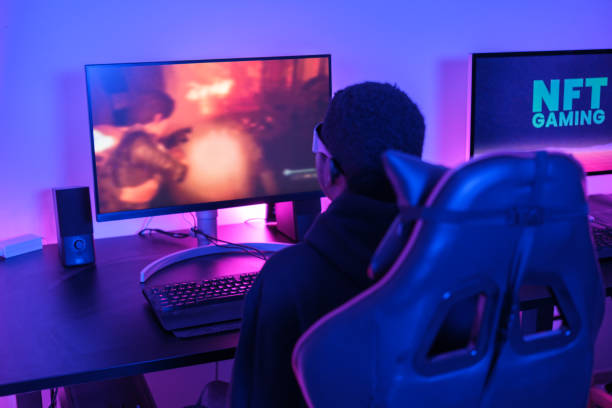

Set boundaries and limits

One of the first steps in regaining control over your gaming habits is to set boundaries and limits for yourself. This may involve scheduling specific times to play video games, such as only after you have completed your work or chores for the day. Setting a time limit for how long you can play each day can also be helpful in preventing excessive gaming.

Find alternative activities

Instead of spending all of your free time playing video games, try to find alternative activities that you enjoy. This could be anything from going for a walk or bike ride, reading a book, or starting a new hobby. By filling your time with other activities, you can reduce the amount of time you spend gaming and begin to regain control over your life.

Seek support

If you are struggling to break free from video game addiction on your own, it may be helpful to seek support from friends, family, or a therapist. Talking to others about your struggles can provide you with the encouragement and motivation you need to make positive changes in your life. Additionally, joining a support group for individuals struggling with video game addiction can help you connect with others who are going through similar experiences.

Practice mindfulness

Mindfulness techniques, such as meditation and deep breathing exercises, can help you become more aware of your gaming habits and the impact they are having on your life. By practicing mindfulness, you can develop a greater sense of self-control and begin to make more conscious choices about how you spend your time.

Set goals and prioritize

It’s important to set goals for yourself and prioritize what is most important in your life. This may involve creating a list of short-term and long-term goals, such as completing a project at work or spending more quality time with loved ones. By focusing on your goals and priorities, you can begin to shift your focus away from gaming and towards activities that bring you fulfillment and satisfaction.

Take breaks

If you find that you are spending hours on end playing video games without taking breaks, it’s important to step away from the screen and give yourself time to rest and recharge. Taking breaks can help prevent burnout and allow you to maintain a healthy balance between gaming and other aspects of your life.

In conclusion, if video games have begun to rule your existence, it’s important to take proactive steps to regain control and find balance in your life. By setting boundaries, finding alternative activities, seeking support, practicing mindfulness, setting goals, prioritizing, and taking breaks, you can begin to break free from the grips of video game addiction and live a more fulfilling and balanced life.

Confronting the Realities When Video Games Rule Your World

In the ever-evolving landscape of digital entertainment, video games have become an integral part of modern leisure. However, for some individuals, the line between recreational gaming and compulsive behavior becomes blurred, leading to a world where video games dominate daily life. This article explores the challenging realities of video game addiction, its impact on individuals, and strategies to confront and overcome this pervasive issue.

The Allure of Virtual Realms:

Video games offer immersive experiences, captivating storylines, and the allure of virtual achievements. While many engage in gaming as a form of entertainment, others find themselves ensnared in a cycle where the virtual world begins to dictate their reality. The escapism provided by video games can become a double-edged sword when it transforms from a leisure activity into a dominant force.

Recognizing the Signs:

  1. Excessive Screen Time: One of the first indicators that video games may be taking control is excessive screen time. When gaming sessions extend beyond reasonable limits, impacting daily responsibilities and sleep patterns, it becomes a cause for concern.
  2. Neglect of Responsibilities: Individuals grappling with video game addiction often neglect essential responsibilities such as work, academics, or household chores. The virtual world takes precedence, leading to a decline in real-world commitments.
  3. Social Isolation: Video game addiction can contribute to social isolation. As individuals spend more time immersed in virtual realities, real-world connections may deteriorate, leading to strained relationships with family and friends.
  4. Escalating Tolerance: Similar to substance addiction, video game addiction can lead to an escalating tolerance, where individuals crave more immersive and intense gaming experiences to achieve the same level of satisfaction.

Confronting Video Game Addiction:

  1. Self-Reflection: Acknowledging the issue is the first step towards recovery. Individuals must engage in honest self-reflection to recognize the impact of video game addiction on their lives.
  2. Setting Boundaries: Establishing clear boundaries for gaming is essential. This includes allocating specific time slots for gaming, avoiding late-night sessions, and ensuring that gaming doesn’t interfere with daily responsibilities.
  3. Seeking Support: Building a support system is crucial. Friends, family, or support groups can provide encouragement and understanding during the journey to overcome video game addiction.
  4. Professional Help: For severe cases, seeking professional help from therapists or counselors specializing in addiction can offer tailored strategies and coping mechanisms.
  5. Exploring Alternatives: Engaging in alternative activities helps divert attention away from video games. Pursuing hobbies, physical activities, or social events fosters a more balanced and fulfilling lifestyle.

Conclusion:

Confronting the realities of video game addiction requires courage, self-awareness, and a commitment to change. By recognizing the signs, setting boundaries, seeking support, considering professional help, and exploring alternative activities, individuals can regain control over their lives. The journey to breaking free from the grip of video game dominance is challenging but ultimately rewarding, leading to a more balanced and fulfilling existence beyond the confines of the virtual world.

The Benefits of Shifting Your Focus

Video games have become ubiquitous in our culture. People of all ages enjoy playing video games as a way to relax and connect with friends and family. Unfortunately, as with any other type of activity, it’s possible to become too consumed by gaming. In order to stay healthy and productive, it’s important to step away from the video games every now and then. Let’s look at some of the benefits of ignoring video games.

Improved Focus
Video games can be incredibly addictive, and unfettered access to gaming can cause people to lose sight of more important tasks. Taking a break from video games helps refocus attention and improves your ability to concentrate on other tasks. Improved focus leads to increased productivity, which ultimately leads to better overall results.

Better Sleep
Too much gaming leads to sleep deprivation, which can have serious consequences on your health and well-being. A lack of sleep can lead to an inability to concentrate, depression, and poor decision-making skills. Taking a break from gaming helps to combat sleep deprivation, enabling you to get better, more restful sleep.

Improved Physical Health
Video games are sedentary activities and don’t involve physical activity. Spending all your free time playing video games can lead to physical health problems such as obesity, heart disease, and diabetes. Taking a break from video games and dedicating that time to exercise helps to reduce the risk of developing these conditions.

Lower Stress Levels
Playing video games can be very relaxing. However, it can also be very stressful if you become overly competitive or consumed by the game. Taking a break from gaming helps to reduce stress levels, enabling you to relax and enjoy life more fully.

More Quality Time
Ignoring video games can help you to devote more time to people and activities that matter most. That could mean spending quality time with family and friends, engaging in recreational activities, or taking up a new hobby. When you focus on people and activities that feed your soul, you’ll gain a sense of fulfillment that no video game can provide.

It’s important to recognize that video games can be a great source of entertainment, but it’s equally important to take breaks from gaming to benefit your physical and mental health. Neglecting gaming can help improve focus, promote better sleep, improve physical health, reduce stress, and provide more quality time with people and activities that matter. Whether it’s taking a few days off or committing to a regular unplugged period, ignoring video games can help improve overall well-being.

How to Detect and Break it

Video games have become an incredibly popular pastime for people of all ages and they can be a great way to relax, entertain, and even boost problem-solving skills. Unfortunately, video game addiction can lead to serious psychological and emotional issues, so it’s important to be aware of the signs and symptoms. The cycle of video game addiction has several stages: desensitization, escape, escapism, and obsession. In this article, we’ll look at each stage in the cycle and what to do if you think you or someone you know may be addicted to video games.

Desensitization

The first stage of the cycle of video game addiction is desensitization. This is when the player starts to become desensitized to the violence, difficulty, and other aspects of the game. As they become more likely to accept and participate in the violence of the game, it’s easier for them to become addicted to the game’s loop of reward and punishment. After a period of playing, the player may start to feel an emotional “high” when they complete an objective or “win” a level.

Escape

The second stage of the cycle of video game addiction is escape. The player starts to spend more and more time in the virtual world, seeking refuge from stressful or unpleasant realities. The player may become more isolated as they start to replace real-world activities and relationships with online ones. Eventually, the player may become more dependent on the virtual world for entertainment, relaxation, and even escape from unpleasant feelings.

Escapism

The third stage of the cycle is escapism. The player may start to rely on the video game to shut down any mental or emotional problems they have and just focus on the goal of playing the game. The game may start to take up more time in their lives as they become more and more addicted to it. At this point, it can be difficult for the player to stop or think about the long-term consequences of their gaming habits.

Obsession

The fourth and final stage of the cycle is obsession. Here, the player’s entire life revolves around the game and they may become unwilling to do anything else. They may end up withdrawing from family and friends and become increasingly agitated when they are not playing the game. This is the most dangerous stage of the cycle and the most likely to cause serious psychological and emotional issues, so it’s important to recognize the signs and intervene immediately.

Breaking the Cycle

If you think you or someone you know is addicted to video games, there are steps you can take to help break the cycle of addiction. Here are a few tips to help:

• Set limits. Set boundaries and rules with yourself or someone else regarding how much time can be spent playing video games each day.

• Take a break. Step away from the game for a while and engage in other activities to give yourself some space.

• Connect with others. Reach out to family and friends or join a support group to discuss your struggles with video game addiction.

• Seek professional help. If you are feeling overwhelmed and unable to break the cycle on your own, it may be time to speak to a mental health professional.

Video games have the potential to be great fun and beneficial, but the cycle of video game addiction can lead to very serious issues. It’s important to recognize the signs and symptoms of addiction, set limits, and seek assistance when necessary. With the right help and support, it is possible to break the cycle and move on in a positive direction.

When Video Games Rule Your Life

Video games have become a billion-dollar industry, with many people playing games on their consoles, making them one of the largest forms of entertainment. However, for some, video games can become an addiction. In this article, we’ll discuss some signs of video game addiction and how to deal with it.

People who are addicted to video games often have trouble controlling their playing habits. They spend hours and hours online, unable to stop themselves from playing. They may be late for appointments and neglect their responsibilities at home and work. They may withdraw from social activities in pursuit of time spent playing. They may also feel the need to play more games after they’ve achieved some success, or to purchase new equipment or upgrades.

If it reaches an addictive level, it’s important to seek professional help. It may be hard to recognize the addiction at first, but the longer it is allowed to continue, the more damaging it can be. Some people may need specialized treatment plans that combine cognitive-behavioral therapy and medication.

Addicts might become socially isolated due to the amount of time spent playing online video games. Conversations and relationships become less important, as they focus their attention on virtual worlds. They may become frustrated or angry when unable to play, or experience mood swings, withdrawal symptoms, and lack of motivation in other areas of their life. They may also avoid responsibilities, preferring to spend money on in-game purchases and neglecting basic needs like food and sleep.

Fortunately, there are activities that can help break the cycle of video game addiction. For instance, setting a limit for the time spent playing each day is one way to prevent the addiction from growing. It’s also important to engage in other activities like socializing with friends or engaging in hobbies. Getting enough sleep is also important as it can help restore energy levels which can be depleted by long stints in front of an electronic device.

It’s also important to recognize when it’s time to take a break from video games. This can include taking a break from playing for at least a day or two, and refraining from spending money on in-game items. Additionally, there are resources available that can provide support for individuals who are addicted to video games.

Video games can be an empowering form of entertainment, allowing people to explore virtual worlds and connect with like-minded players. However, when video games consume every aspect of a person’s life, it can lead to serious implications for their mental and physical health. If you or someone you know is struggling with video game addiction, take steps to manage it and regain control of their life.

When Video Games Become Addictive

Addiction isn’t only a grown-up issue. Children can be addicts as well. Computer game addiction is on the ascent in kids under 18, and the outcomes can be serious. Eighty-eight percent of U.S. kids play computer games; as per a Harris Poll Survey of 1,178 children somewhere in the range of 8 and 18, about 10% might be computer game addicts.

These children generally have eight of the 11 side effects found in gambling addiction. Children who are addicted to computer games can suffer unpleasant repercussion like failure to focus on school, low grades, a craving to escape from the real world, getting into fights with mates unnecessarily, lessened enthusiasm for family, companions, get-togethers, side interests, and games, inability to get sleep or rest because of time spent gaming, powerlessness to quit playing video games, investing more resources on the internet.

The scripture in Prov. 22:6, explicitly states that the parent/guardian should train the child in the way of the Lord, so he would remain in it when he grows. The children are still pretty young and could sometimes out of place with the actions and decision but with consistent teaching and training of the commands and biddings of God, children won’t do it wrong way morally. Addiction of any kind is an outright sin in the sight of God, as a Christian parent, we are to properly guide our children against it.

According to attitudemag.com, Kids who are addicted to video games are more than twice as likely to have Attention Deficit/Hyperactivity Disorder (ADHD). Boys are more likely than girls to develop a video game addiction and to have game addiction symptoms.

The main line of the barrier for guardians is to be alarmed for early indications of gaming habit and as far as possible on Internet movement. The cutoff points can be strengthened with negative results if disregarded and positive outcomes when regarded. On the off chance that the computer game dependence has turned out to be severe to the point that is it’s not any more sensible at home, there are an assortment of treatment choices accessible, for example, intellectual or social treatment, individual or gathering advising, private treatment programs, wild treatment, outpatient treatment programs, stimulant drugs, for example, Bupropion (Wellbutrin).

The Bible clearly notes that addictions are a real problem people face in this world. These scriptures could be a form of support in trying times (1 Timothy 3:3; Titus 1:7) (1 Corinthians 6:18).

Overcoming Gaming Addiction

Computer game addiction isn’t only for young people any longer. All ages who have been raised with the accessibility of computer games take to school, the workforce and family life, computer game compulsion can meddle with the regular development of life. Computer games and frameworks have developed in modernity and multifaceted nature throughout the years and are drawing in a more extensive grown-up group of onlookers. Players contend that the connection, internet playing against others and improvement of coordination and thinking abilities are for the most part valuable. Like most escape exercises, taken with some restraint and adjust can be a successful withdraw from the worry of the day. Be that as it may, getting to play video games for obscene hours without the impelling urge to stop and take up other task, and trying to deliberately keep distance from working out with loved ones till fatigue is ordinary for suffering from gaming addiction. For most sorts of enslavement from computer games to medicate mediation is regularly the best way to persuade a friend or family member to look for treatment. Gaming addiction is something to be wary of in the society as a whole, the Bible expressly commands in (Phil. 4:4) that our moderation should be known in all things. God frowns at addiction, any form of it at all, (1Pet. 5:8) shows us that addiction can be one the subtle ways the devil can get his way into our lives and our duty is to resist it.

Enjoying gaming and being addicted to gaming are two different but difficult to differentiate phases. Play video games every day, Play games instead of doing homework, become restless, preoccupied, irritable, and discontent when offline, Play video games three to four hours a day, every day, prefer gaming over everything else, have little interest in anything not game-related, lie about how much time they spend online, slack off on chores at home or at work, lose track of time while playing games, become depressed, violent, or angry if forced to stop playing are symptoms of being addicted to video games.

Being a failure doesn’t make you a failure but remaining a failure does, so also being an addict doesn’t condemn you forever but remaining an addict does. The book of James 4:7 (ESV) tells us to Submit ourselves before the Lord and that we should resist the devil, and he will flee from us every time he raises his head against us.

Intervention Into Gaming Addiction

Video games have been suspected to be cause of problems in especially an addicted individual’s life, recent research confirms that video games have its effect on addict. Computer games and frameworks have developed in advancement and many-sided quality throughout the years and are drawing in a more extensive grown-up crowd. Players contend that the association, web based playing against others and improvement of coordination and thinking aptitudes are for the most part advantageous.

Like most escape exercises, taken with some restraint and adjust can be a successful withdraw from the worry of the day. In any case, playing for a considerable length of time multi day and staying away from exercises with loved ones even to the point of depletion is average for those affliction from computer game habit. For most kinds of enslavement from computer games to medicate mediation is frequently the best way to persuade a friend or family member to look for treatment.

A person may show signs of addiction through:

• a fixation on the diversion
• lying about the measure of time or cash spent on gaming
• neglect of social life
• loss of time
• sessions of nervousness and outrage
• change in individual cleanliness

As indicated by a survey lately, gaming dependence causes comparable changes in the delight focal point of the mind as those seen in long haul tranquilize addicts. A man may take a seat for an hour and unexpectedly keep on playing for 4-5 hours without halting.

At first, gaming will create expanded dopamine levels in the mind. After some time, the gaming addicts get really exhausted from gaming but won’t like to admit it, but they could feel really strange from not playing their favorite.

This prompts reliance and habit, much like medication or alcohol, with comparable consequences for the cerebrum. Expanded play time implies expanded dopamine levels in the cerebrum. The gaming someone who is addicted may not see the requirement for more diversion time as it develops gradually after some time.

On the off chance that you think somebody needs quick consideration and support as a result of a PC or Internet dependence, you can find a way to enable the individual to recapture poise. On the off chance that you are a friend yourself and have chosen to improve, obtaining help past your own endeavors is vital. Outside help can enable you to prevent yourself from returning to your old, destructive ways.

Handling Gaming Addiction

In the recent years’ video games speedily evolved into a past-time activity and hobby, a very large amount of young people and adults both male and female are the gaming type. There is seemingly a wide variation in the taste of video game among specific people. Gaming addiction has become a norm in our society lately, gaming isn’t a vice the addiction is.

It can be challenging to perceive gaming addiction since it is so generally acknowledged as a recreational activity. In any case, gaming addiction is a developing worry all over the world, and the individuals who battle with it require help and support to recoup.

Recognize that basic delight in a diversion does not constitute habit. Gaming addiction happens when gaming turns into a focal occupant in one’s life, notwithstanding when different parts of life are left untended. Those addicted to gaming may utilize gaming as a technique to the enhanced state of mind and an approach to escape reality. While numerous individuals start playing computer games in their teenage years, the addiction may appear whenever in a man’s life.

In spite of the showcasing and advancement of the most current, quickest, hippest diversion society does not compensate the individuals who invest all their energy in playing computer games. The results for the computer game someone who is addicted are much the same as those of substance abuse and addiction. Expanded segregation from loved ones who aren’t a piece of the sub-culture, lack of engagement in work and outside exercises and distraction with considerations about computer games when not playing are largely dynamic indications of computer game addiction and reliance. As another field for mediation computer game addiction is quickly turning into a perceived and comprehended occurrence. Because video game addiction is more pronounced among in the childhood and teenage years it’s imperative for parents as well as guardians to tackle this vice from the early stages.

Ensure the victim comprehends (at an age-proper level) gaming is intended to be a fun activity, however, it ought not to be all time-consuming. Most computer games are evaluated, however, don’t accept the appraisals are up to your guidelines. Check each game thoroughly altogether, and you may even need to play with your kid. A few guardians make video gaming just accessible at the end of the week. This disposes of stresses over gaming meddling with schoolwork or evaluations.